


Table Of Contents
No — you can't paint over concrete cancer. Paint can hide the rust stains and cracks for a while, but the steel reinforcement underneath keeps corroding. As it rusts, it expands, and within a season or two the new coating cracks and the concrete keeps breaking away. Concrete cancer has to be remediated first: the damaged concrete is broken out, the steel is treated, the section is rebuilt with repair mortar, and only then is the surface recoated.
This guide explains what concrete cancer is, what causes it, why painting over it fails, and how it should be repaired before your building is repainted.
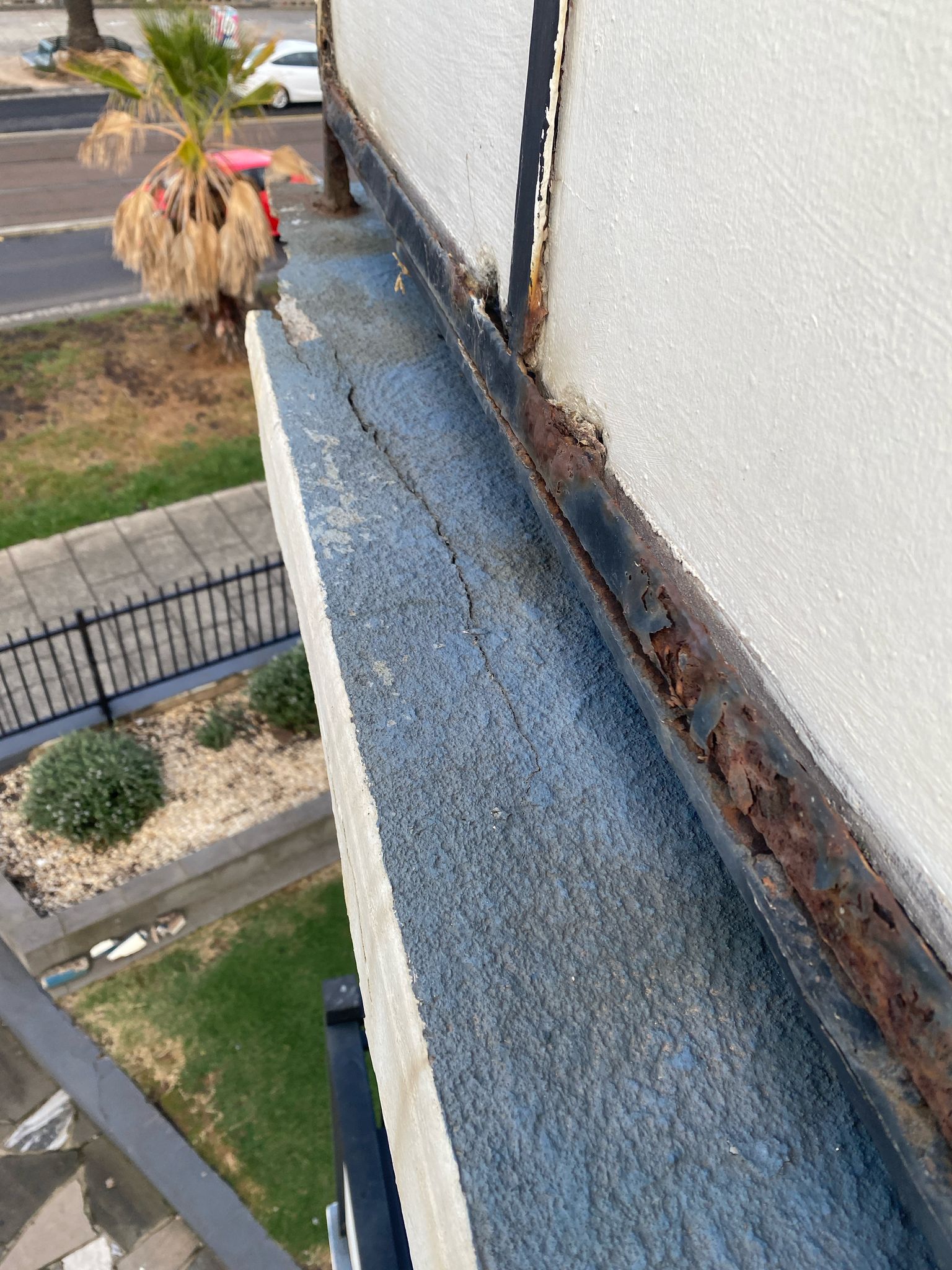
What Is Concrete Cancer?
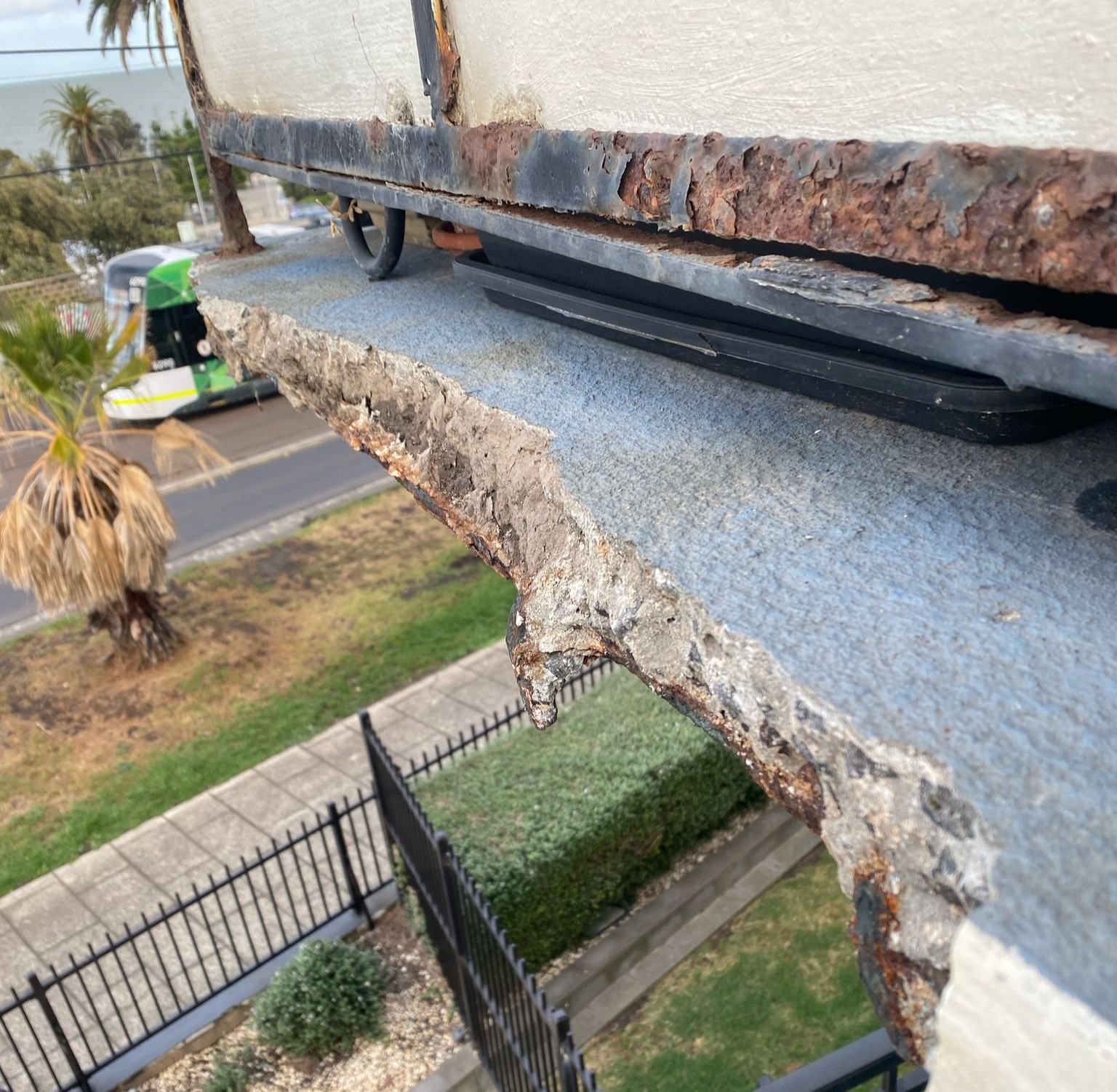
Concrete cancer is the common name for corrosion of the steel reinforcement inside concrete. The visible result is concrete spalling — cracking, flaking and chunks of concrete breaking away from the surface.
Steel inside healthy concrete is protected by the concrete's high alkalinity, which forms a passive layer on the steel. When that protection is lost, the steel starts to rust. Rust takes up far more volume than the original steel, so it pushes outward on the concrete around it until the concrete cracks and spalls off.
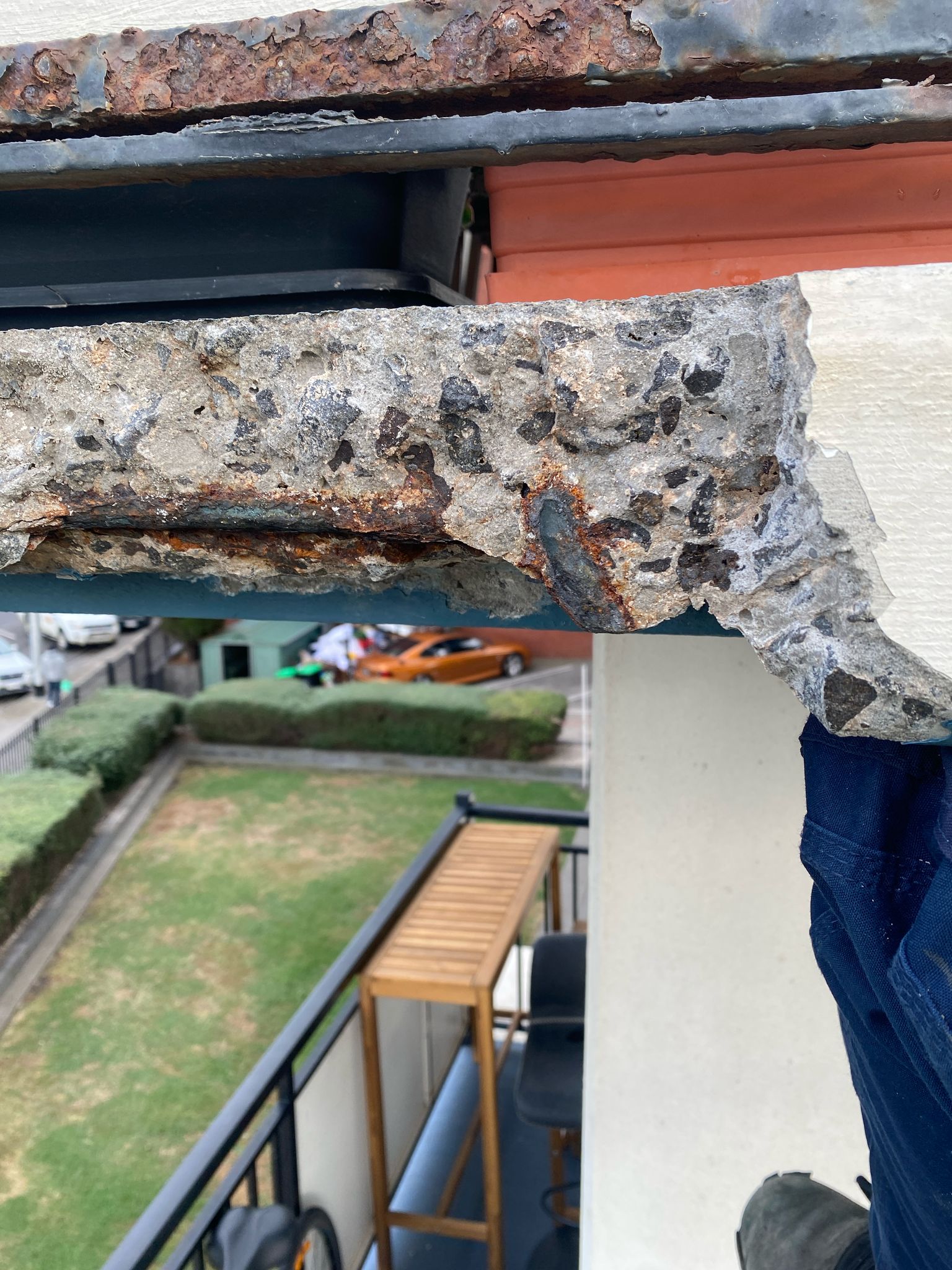
What Causes Concrete Cancer?
Most concrete cancer in Melbourne commercial and strata buildings comes down to one or more of these causes:
- Carbonation: Carbon dioxide from the air slowly reacts with the concrete, lowering its alkalinity from the surface inwards. When the carbonation front reaches the steel, the steel loses its protection.
- Chlorides: Salt from sea air or de-icing products penetrates the concrete and attacks the steel directly. Bayside and coastal buildings are at higher risk.
- Insufficient concrete cover: If the steel was placed too close to the surface during construction, carbonation and moisture reach it much sooner. AS 3600 (Concrete structures) sets minimum cover requirements based on a building's exposure classification for exactly this reason — but older buildings, and buildings with construction defects, often fall short.
- Cracks and water ingress: Cracks, failed sealants and leaking balconies give water and oxygen a direct path to the steel.
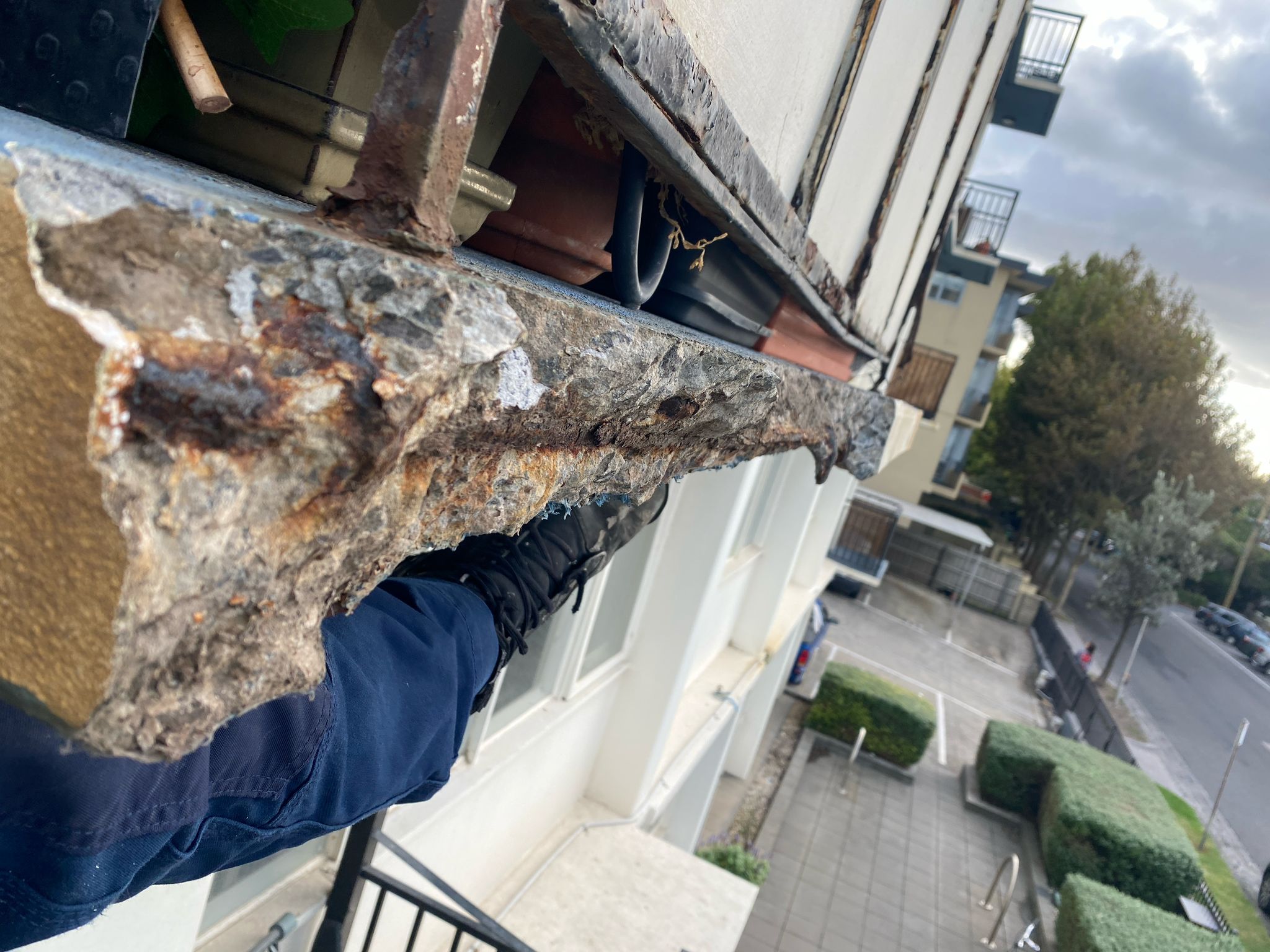
What Does Concrete Cancer Look Like?
The most common signs to look for on balconies, slab edges, columns, beams and parapets are:
- Rust-coloured staining bleeding through concrete or paint
- Cracks that run in straight lines, following the line of the reinforcement
- Bulging or drummy concrete that sounds hollow when tapped
- Concrete flaking or breaking away, sometimes exposing rusted steel
- Bubbling or lifting paint over concrete surfaces
If you're seeing these on your building, a close-up inspection is the next step. On multi-storey buildings this is usually done by rope access as part of a building condition report and facade inspection.
Is Concrete Cancer Dangerous?
It can be. The most immediate risk is falling concrete from balconies, slab edges and upper-level facades onto people or property below. In advanced cases, loss of steel section can also reduce the structural capacity of a balcony or beam, which needs assessment by a structural engineer.
For owners corporations and building owners, it's also a liability issue. Each state's strata legislation places a duty on the owners corporation to maintain and repair common property, and known defects that are left unrepaired — or simply painted over — can create real exposure if someone is injured.
Why You Can't Paint Over Concrete Cancer
It's tempting to fold concrete cancer into a repaint and simply coat over it. Here's why that doesn't work:
- Paint doesn't stop corrosion that has already started. Once the steel is rusting, a coating on the surface won't reverse it. The rust keeps expanding behind the paint.
- The new coating fails early. As the concrete continues to crack and spall, it takes the new paint with it — often within one or two years. You pay for the repaint twice.
- It hides the problem. Fresh paint covers the rust staining and cracks that inspectors and committees use to spot concrete cancer, so the damage grows unnoticed until it's a much bigger repair.
- It doesn't meet good practice. AS/NZS 2311:2017 Guide to the painting of buildings places heavy emphasis on surface preparation — a coating system is only expected to perform when it's applied to a sound, properly prepared substrate. Spalling, contaminated concrete is not a sound substrate.
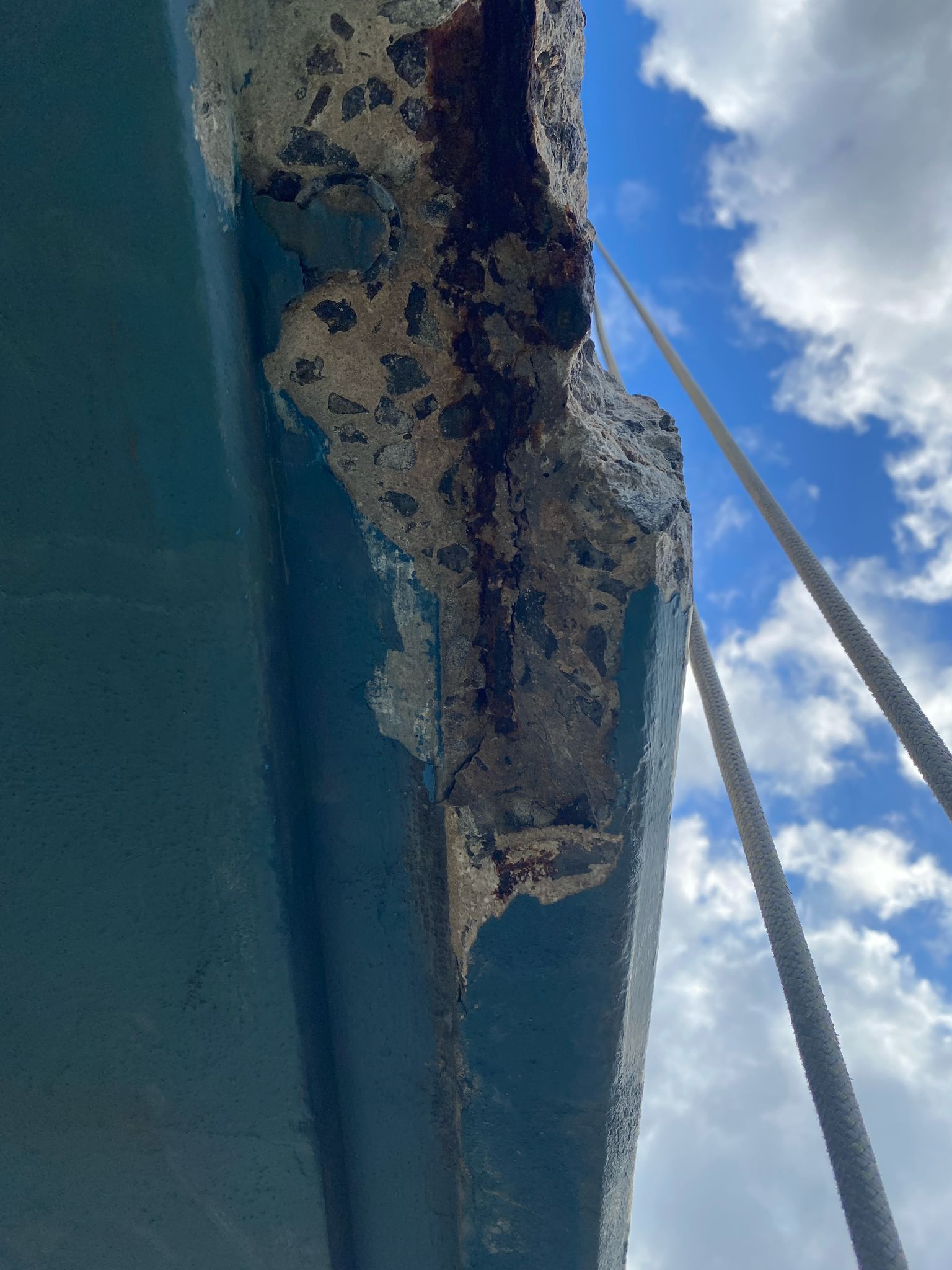
How Concrete Cancer Is Repaired
Proper concrete cancer repair follows a consistent process. The specific materials and methods should come from a documented repair specification, and on structural elements, from your structural engineer. Many repair specifications in Australia draw on the European EN 1504 series, which sets out principles and product requirements for concrete protection and repair.
1. Assess and test
Every affected area is located and assessed. Concrete is tapped and sounded to find delaminated sections, and where needed, carbonation depth, concrete cover and chloride levels are tested to understand why the steel is corroding.
2. Make safe
Loose and drummy concrete is removed or secured so it can't fall while the works are planned and carried out.
3. Break out the damaged concrete
Concrete is broken out around the corroded reinforcement, back to sound material and behind the bar, so the full circumference of the affected steel is exposed.
4. Treat the reinforcement
The steel is cleaned of rust and coated with a corrosion-inhibiting primer. Where the steel has lost significant section, an engineer may require it to be supplemented or replaced.
5. Reinstate with repair mortar
The section is rebuilt with a polymer-modified repair mortar, compacted and finished to match the surrounding profile, then cured.
6. Protect with an anti-carbonation coating
Once repairs have cured, the concrete is coated with an anti-carbonation coating. This slows the ingress of carbon dioxide and moisture into the concrete — protecting both the repaired areas and the surrounding concrete that hasn't failed yet. Coating the whole elevation, not just the patches, also gives the facade a uniform finish.
When Can the Building Be Repainted?
The repaint should happen after the concrete cancer repairs — and ideally in the same program. On high-rise buildings, carrying out remedial works and the repaint in one rope access program avoids paying for access twice and means the coating system goes onto a sound, repaired surface from day one.
Planning Concrete Cancer Repair for Strata Buildings
Concrete cancer gets more expensive every year it's left. For owners corporations and body corporates, the best approach is to:
- Commission a building condition report to map and grade every defect
- Stage the repairs by urgency, starting with anything at risk of falling
- Budget the works through your maintenance fund (Victoria), capital works fund (NSW) or sinking fund (Queensland)
- Combine remedial works with the next scheduled repaint to save on access costs
Avello Group delivers remedial building and concrete cancer repairs for commercial and strata buildings across Melbourne, Sydney and Brisbane, with IRATA certified rope access teams for high-rise facades.
Frequently Asked Questions
Can you paint over concrete cancer?
No. Painting over concrete cancer hides the symptoms, but the reinforcement keeps corroding and the concrete keeps cracking, so the new coating fails early. The damaged concrete must be broken out, the steel treated, the section patched with repair mortar, and then coated.
What causes concrete cancer?
Concrete cancer is caused by corrosion of the steel reinforcement inside concrete, usually when carbonation or chlorides reach the steel through cracks, water ingress or insufficient concrete cover. As the steel rusts it expands and spalls the concrete around it.
How do you fix concrete cancer?
Concrete cancer is fixed by breaking out the damaged concrete back to sound material, cleaning and priming the corroded reinforcement, rebuilding the section with polymer-modified repair mortar, and protecting the surface with an anti-carbonation coating.
Is concrete cancer dangerous?
It can be. Spalling concrete can fall from balconies and facades, and advanced corrosion can reduce the structural capacity of balconies and beams. Affected areas should be made safe and assessed promptly.
Can an anti-carbonation coating stop concrete cancer?
An anti-carbonation coating slows carbonation in sound and repaired concrete, helping prevent new concrete cancer. It does not fix corrosion that has already started — existing concrete cancer must be repaired first.
Seeing rust stains or spalling on your building?
Get in touch with Avello Group to arrange an inspection and remedial repair scope at:
P 1300 283 556
E info@avello.com.au
Free Building Assessment
Ready to protect your building?
Avello Group provides specialist commercial painting and building maintenance across Melbourne, Sydney and Brisbane. Start with a free site assessment — we'll inspect your building and give you a clear scope and cost estimate.