


Table Of Contents
Whether you are freshening up a single room or tackling a larger interior project, painting your walls is one of the most effective ways to transform a space. With the right preparation, tools, and technique, you can achieve a clean, professional finish even as a first-timer.
Here is how to do it properly.
What You Will Need
Before you start, gather the following:
- Drop cloth
- Painter's tape
- Putty knife and filler or joint compound
- Sandpaper
- Paint brushes (synthetic bristles for cutting in)
- Paint roller and tray (short-nap for smooth walls, long-nap for textured surfaces)
- Premium, low-VOC interior paint
Choose the right paint and tools
Investing in high-quality paint and paint tools is crucial for achieving professional-looking results. Opt for top-notch paint brushes, rollers, and painter's tapes. Paint brushes with synthetic bristles are ideal for cutting in and edging, while rollers work best for covering large wall surfaces quickly and evenly.
Painter's tapes are essential for clean lines and protecting surfaces you don't want to be painted. When selecting paint, choose premium, high-hide options that provide excellent coverage and durability. A professional paint with low VOC (volatile organic compounds) is environmentally friendly and ensures better air quality in your home.
Step-by-Step: How to Paint a Wall
1. Prepare the Space
Clear the room of furniture and valuables. Lay down a drop cloth to protect your floors. Good preparation at this stage saves a lot of clean-up time later.
2. Prepare the Walls
Inspect the surface for cracks, holes, or flaking paint. Fill any holes with putty or joint compound, then sand down rough areas for a smooth, even surface. Do not skip this step. Imperfections will show through the paint.
3. Clean the Walls
Wipe down all surfaces with a mild detergent and warm water to remove dust, grease, and grime. Allow the walls to dry completely before painting. Clean walls ensure better paint adhesion and a longer-lasting finish.
4. Apply Painter's Tape
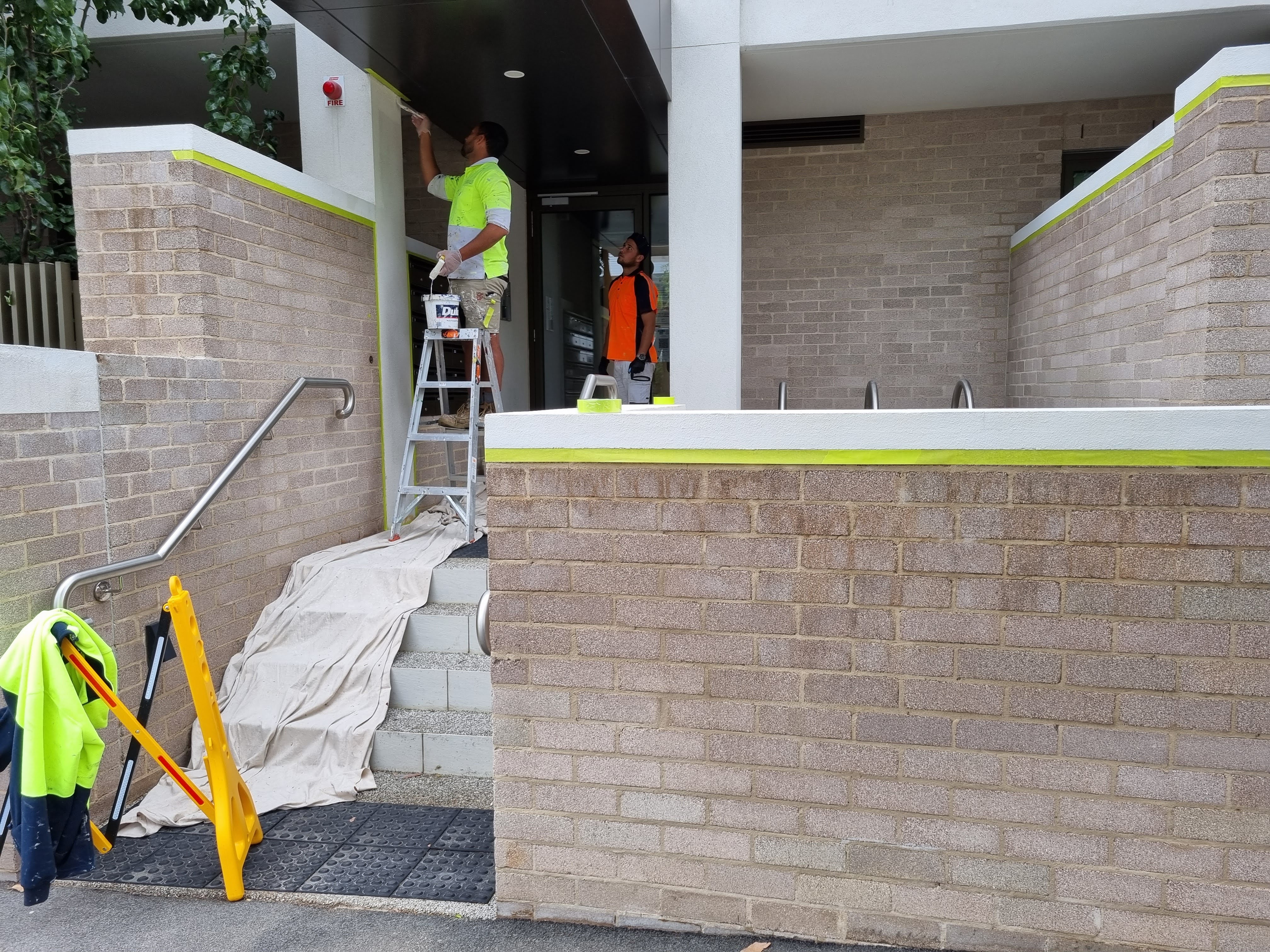
Run painter's tape along trim, baseboards, and any edges you want to protect. Press the tape firmly to prevent bleed-through. Remove it once the paint is dry by peeling at a 45-degree angle.
5. Cut In the Edges
Using a paintbrush, carefully paint a neat line along all edges, corners, and trim before using the roller. This technique, known as cutting in, gives you clean, precise lines throughout the room.
6. Roll the Walls Using the "W" Technique
Before using the roller:
- Ensure it is clean and free of any loose fibres.
- Use a roller cover appropriate for your wall's texture; for smooth walls, use a short-nap roller; opt for a longer-nap roller for textured walls.
- Fill a paint tray with enough paint to cover the roller without submerging it entirely.
- Roll the paint roller back and forth in the tray to distribute the paint evenly.
Now it's time to paint the walls using a "W" technique. Start at the top corner of the wall and roll a large "W" shape, about 3-4 feet wide, vertically. Fill in the "W" shape without lifting the roller, then move to the next section, slightly overlapping the previous one. This technique ensures even coverage and minimises streaks.
7. Maintain a Wet Edge
Work quickly enough that the paint does not dry between sections. Keeping a wet edge prevents lap marks and visible seams, a common issue for first-time painters.
8. Apply a Second Coat
Once the first coat is fully dry, apply a second coat for full coverage and a professional finish. Inspect the walls afterwards and touch up any missed spots with a small brush.
Cleanup and Disposal After Painting Walls
After you've completed your painting project, it's essential to clean up properly and dispose of any paint or materials responsibly. Seal any leftover paint cans tightly and store them in a cool, dry place for future touch-ups.
Leftover paint can be donated to community centres or reused for smaller projects. Dispose of empty paint cans and other materials following local waste disposal guidelines.

Helpful Tips for a Better Result
- Test your colour first — paint a small patch and check it in both daylight and artificial light before committing
- Mix multiple cans — if using more than one tin, combine them for consistent colour throughout
- Work top to bottom — start at the top of the wall and work down so drips can be corrected as you go
- Do not overload your brush or roller — dip only a third of the way in and tap off the excess
- Check the weather — high humidity or cold temperatures affect drying times and finish quality
- Clean up spills immediately — keep a damp cloth nearby for any drips before they dry
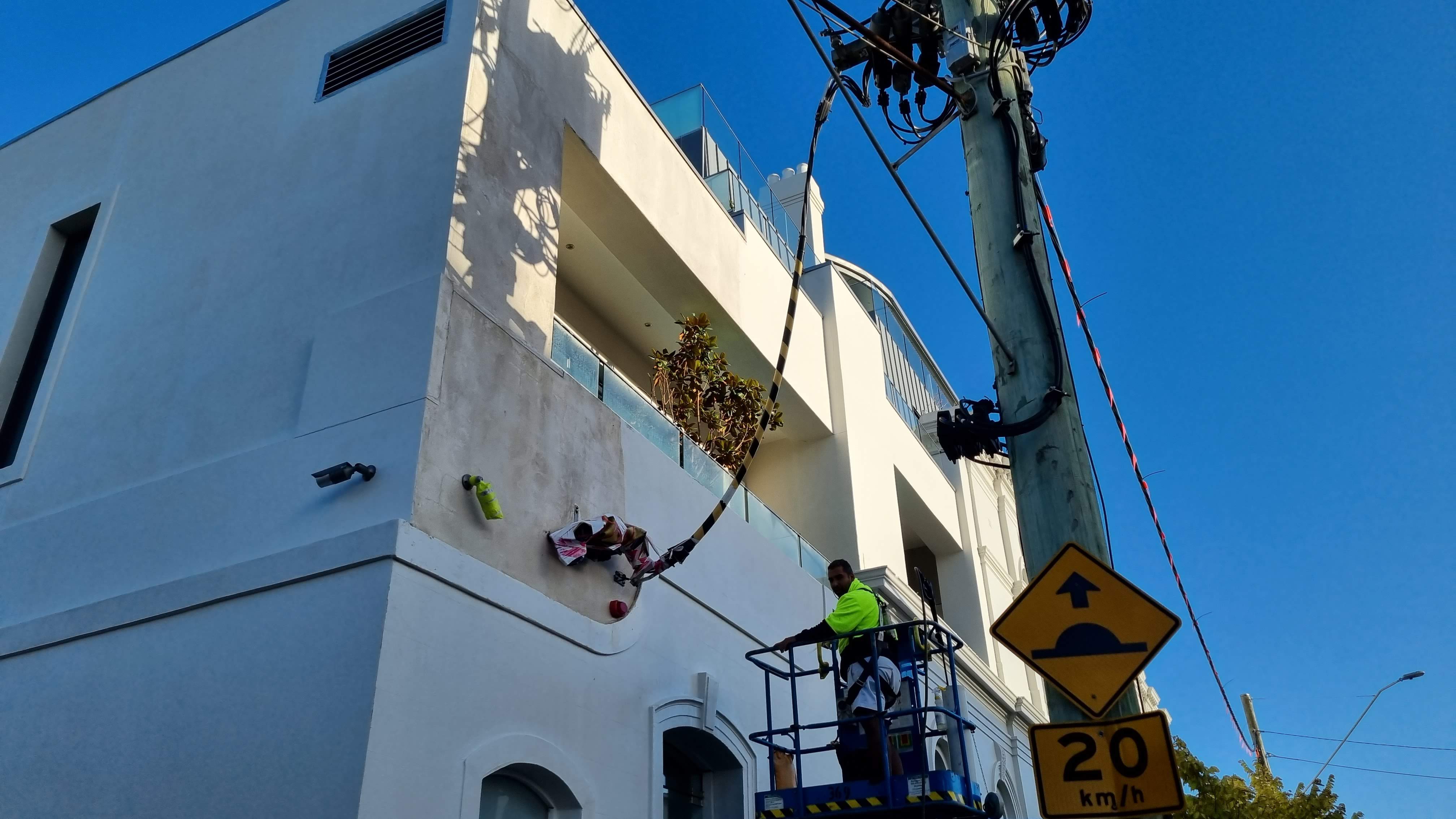
Armed with the right tools, techniques, and a little patience, you can transform your living spaces and add a touch of elegance to your home. However, as you embark on your painting journey, knowing when to seek expert help is essential. Here's when you should consider seeking expert help:
- Complex surfaces: If your walls have intricate textures or surfaces that require special attention, a professional painter's expertise will ensure a flawless finish.
- Large-scale projects: Painting an entire house or multiple rooms can be overwhelming, and professional painters have the resources and experience to handle large-scale projects efficiently.
- Time constraints: If you have a tight schedule or limited experience with painting, hiring professionals will ensure the job is done promptly and to the highest standard.
- Height and safety concerns: Painting high walls, ceilings, or exteriors can be risky without the proper equipment and experience. Professional painters are equipped to handle such heights safely.
- Expert colour consultation: Professional painters can offer valuable insights into colour selection, helping you achieve the perfect colour scheme for your home.
- Specialised techniques: If you're interested in faux finishes, decorative painting, or other specialised techniques, professional painters have the skills to deliver stunning results.
- Quality assurance: Hiring a professional painter guarantees high craftsmanship, ensuring that your walls look exceptional and stand the test of time.
When Should You Call a Professional?
DIY painting can be satisfying for straightforward interior rooms. But there are situations where professional expertise is the smarter choice:
- Large-scale or multi-room projects
- High walls, ceilings, or exterior surfaces where safety equipment is required
- Complex textures or specialised finishes
- Tight timeframes where quality and speed both matter
- Commercial or investment properties where results directly impact value
Need a Professional Painter in Melbourne?
At Avello Group, we bring over 30 years of experience to every interior and exterior painting project. Whether you need a single room refreshed or a full commercial property repainted, our team delivers high-quality results with minimal disruption.
For a free consultation or onsite estimate, get in touch with us today.
If you opt to employ a professional painter, research reputable painters in your area, check reviews and request quotes to find the right fit for your needs. A skilled professional will not only save you time and effort but also provide results that elevate your home's aesthetics and value.
Free Building Assessment
Ready to protect your building?
Avello Group provides specialist commercial painting and building maintenance across Melbourne, Sydney and Brisbane. Start with a free site assessment — we'll inspect your building and give you a clear scope and cost estimate.