


Table Of Contents
Regular facade inspections are one of the most cost-effective things a building owner, property manager, or strata committee can invest in — yet they're often overlooked until a problem is already visible. If your commercial or strata building in Melbourne, Sydney or Brisbane hasn't had a facade inspection recently, here's what one actually involves, and how it fits into a broader building maintenance program.
What Is a Facade Inspection?
A facade inspection is a systematic assessment of a building's exterior — walls, render, cladding, windows, balconies, and structural joints — to identify signs of deterioration before they turn into costly repairs. It typically forms part of a wider building condition report, which documents the overall state of a property and informs long-term maintenance and capital works planning.
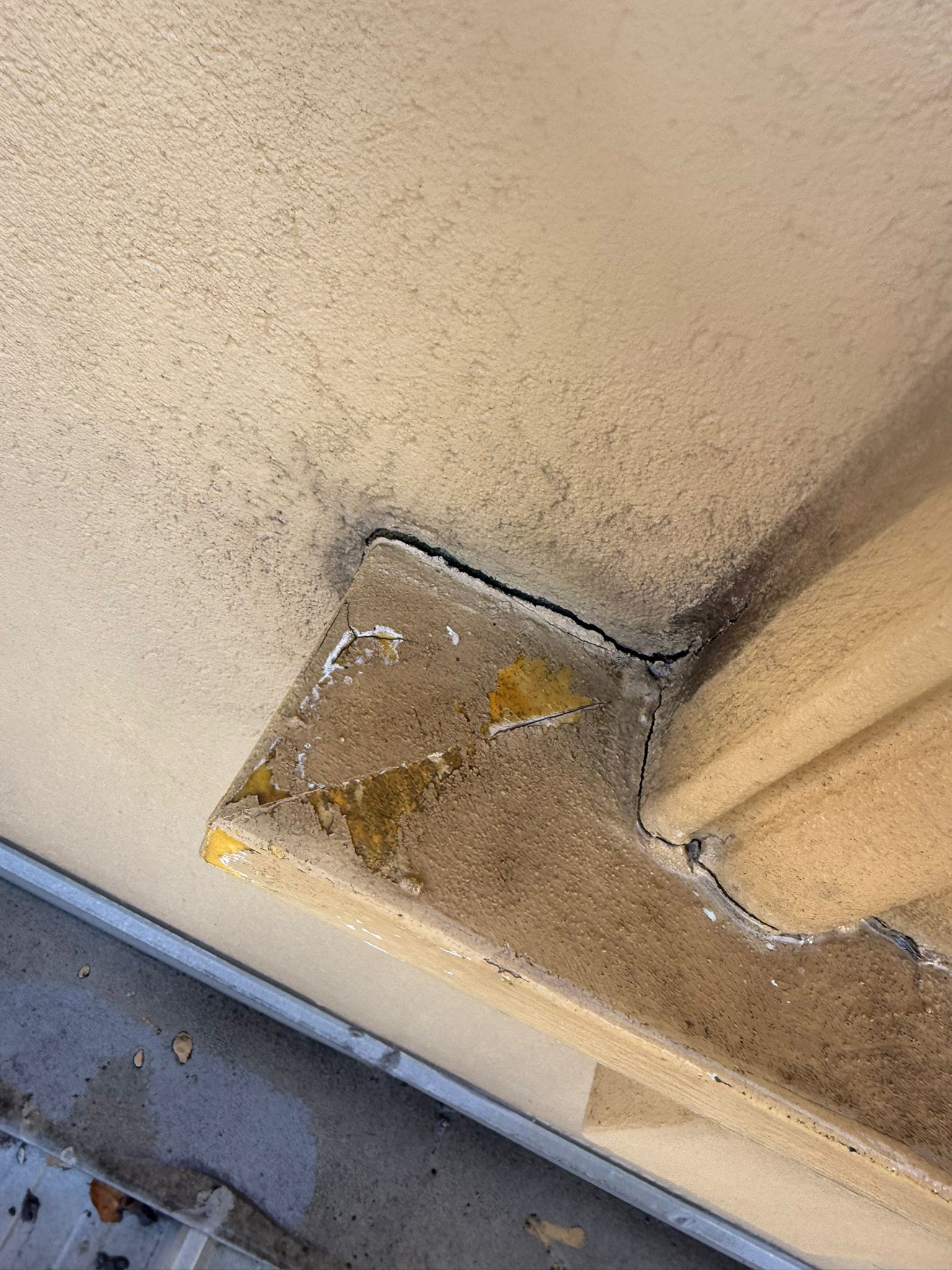
Facade inspections look for issues including:
- Cracking in render, concrete, or masonry
- Paint and coating failure (fading, chalking, peeling)
- Water ingress and staining
- Efflorescence
- Sealant and joint failure around windows and balconies
- Corrosion in exposed metal fixtures
- Structural movement or spalling concrete
Facade Inspection Methods
Depending on the building's height, access constraints, and budget, a facade inspection can be carried out using a few different methods:
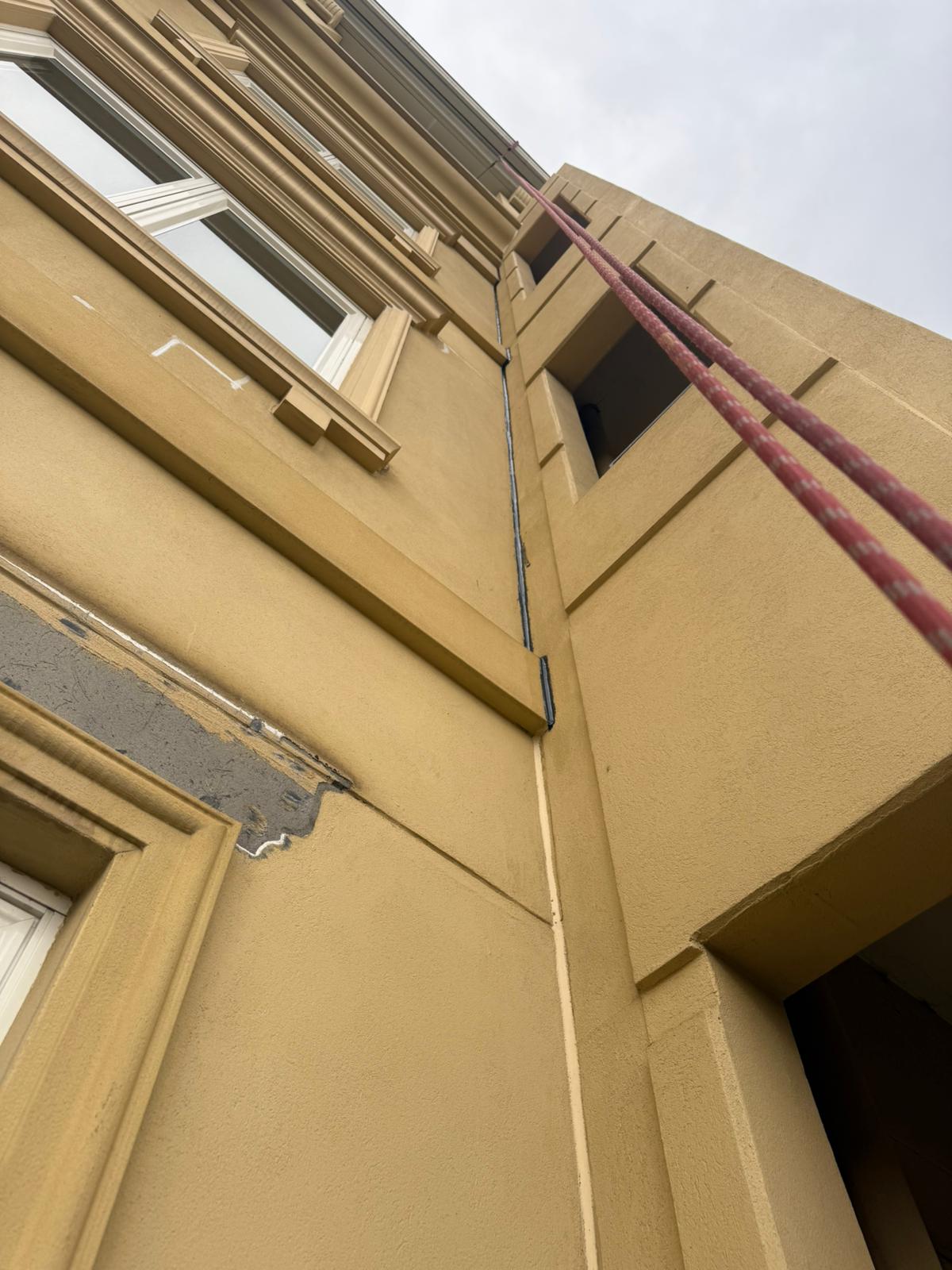
Rope Access Facade Inspection
For high-rise and hard-to-reach buildings, rope access facade inspection is often the safest and most cost-effective option. Certified rope access technicians can reach every section of a facade — including areas scaffolding or an elevated work platform (EWP) can't easily access — without the cost and disruption of erecting scaffolding. This makes it a popular choice for high-rise commercial buildings and strata towers across Melbourne, Sydney and Brisbane.
Drone Building Inspection
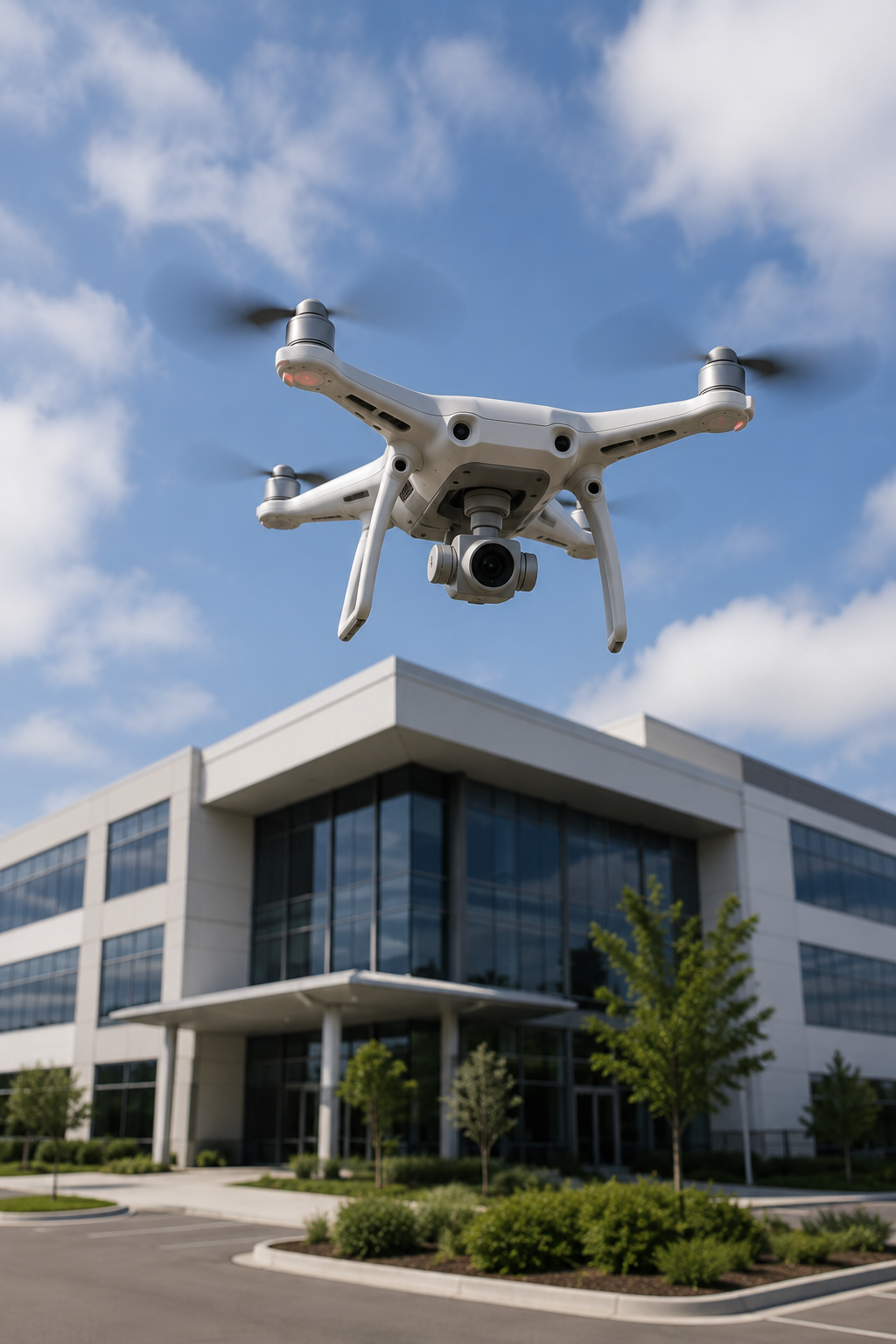
Drone building inspection is increasingly used as a fast, low-cost first-pass option for assessing large or tall facades. Drones can capture high-resolution imagery of a building's exterior quickly, helping identify obvious problem areas — cracking, staining, or coating failure — that can then be inspected more closely using rope access if needed. Drone inspection is particularly useful for very tall buildings or where a quick visual overview is needed before committing to a full facade or building condition report.
Ground-Level and EWP Inspection
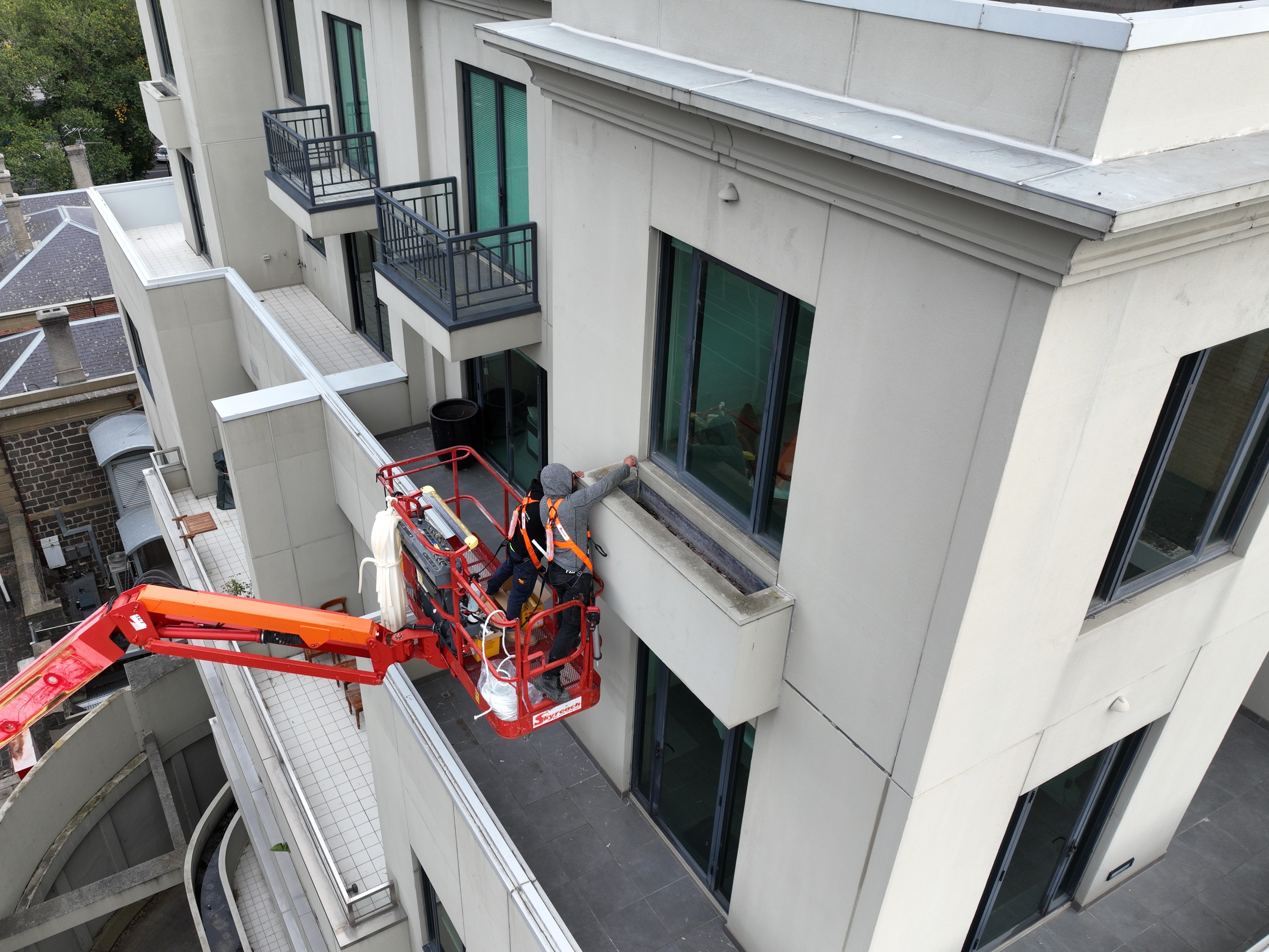
For lower-rise commercial buildings, a facade inspection can often be carried out from the ground or using an elevated work platform, without the need for rope access or drone technology.
How Often Should a Facade Be Inspected?
There's no single answer that fits every building, but as a general guide:
- Commercial and high-rise buildings: Every 3-5 years, or as part of a scheduled painting maintenance program
- Strata and body corporate buildings: Aligned with your building's sinking fund or capital works fund review cycle — typically every 5 years for a full building condition report, with visual checks more frequently
- After extreme weather events: Storms, hail, or prolonged heat can accelerate facade deterioration and warrant an out-of-cycle check
Buildings in coastal areas or with older render and coating systems generally benefit from more frequent inspection, given the faster rate of weathering.
Why Facade Inspections Matter for Long-Term Maintenance Planning
A facade inspection isn't just about spotting problems — it's a planning tool. The findings feed directly into:
- Building condition reports, giving property owners and strata committees a clear picture of what maintenance is coming
- Maintenance fund and capital works fund budgeting, so committees can plan contributions accurately rather than being caught out by a special levy
- Scheduled painting maintenance programs, prioritising the sections of a facade most at risk of failure
Getting ahead of facade issues through regular inspection is almost always cheaper than reactive repair. A small crack identified early might only need a protective coating or minor remedial work — left unchecked, the same crack can lead to water ingress, structural damage, and a much larger repaint or concrete repair project.
Facade Inspections from Avello Group
Avello Group provides facade inspection services — including rope access facade inspection and building condition reporting — for commercial and strata buildings across Melbourne, Sydney and Brisbane. Our assessments feed directly into practical, budgeted maintenance plans, so you know exactly what your building needs and when.
Due for a facade inspection?
Get in touch with Avello Group to arrange an assessment for your building at:
P 1300 283 556
E info@avello.com.au
Free Building Assessment
Ready to protect your building?
Avello Group provides specialist commercial painting and building maintenance across Melbourne, Sydney and Brisbane. Start with a free site assessment — we'll inspect your building and give you a clear scope and cost estimate.