


Table Of Contents
Heritage buildings are some of Australia's most valuable assets—architecturally, culturally, and historically. But maintaining and repainting them is far more complex than a standard commercial painting project. Strict regulations, ageing materials, and the need for historical accuracy all demand a specialist approach.
Here, we will unlock the fascinating world of heritage building painting, delving into its unique challenges and unveiling the solutions that safeguard these architectural treasures while keeping their historical charm intact, crucial for heritage conservation and adaptive reuse. So, get ready to embark on a journey through time and colour, where the past meets the present in a brush stroke of brilliance.
Why is Heritage Building Painting Important?
Heritage building painting goes beyond the aesthetics of a fresh coat of paint. It serves a profound purpose, preserving our cultural and historical heritage, especially in heritage sites and historic urban landscapes. Here's why heritage building painting is of utmost importance:
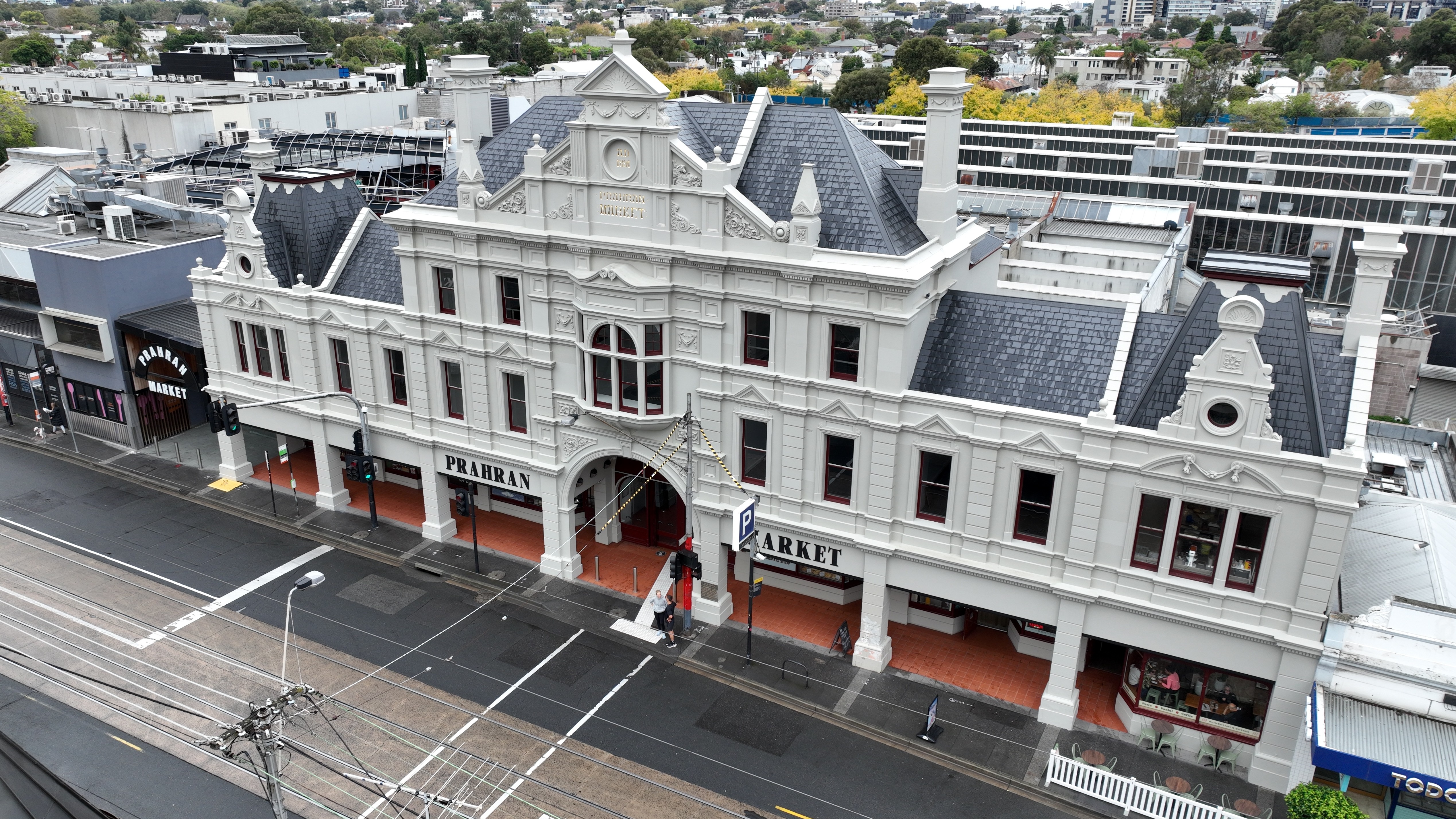
Preservation of cultural identity
Heritage buildings are an integral part of our cultural heritage and the fabric of historic urban landscapes. They stand as visual representations of our history, telling stories of the past. By maintaining and restoring these structures, we preserve the heritage and traditions that have shaped our communities and urban landscapes.
Architectural significance
Many heritage buildings showcase exceptional architectural designs and craftsmanship that are rarely replicated today. Preserving these architectural marvels allows us to appreciate and learn from the past. It's a living history lesson in art, design, and construction techniques.
Community connection
Heritage buildings often hold a special place in the hearts of communities and play a significant role in historic urban landscapes. They are landmarks that evoke nostalgia and pride. Preserving these structures fosters a sense of belonging and community pride, particularly in cultural heritage-rich areas.
Educational opportunities
Heritage buildings serve as educational resources, offering insights into the past. They are valuable tools for schools, historians, and researchers to explore various aspects of history, from architectural styles to societal values.
Economic impact
Preserving heritage buildings has a positive economic impact. They attract tourists and visitors, boosting local economies. A well-preserved historic district can become a thriving cultural and economic hub.
Environmental responsibility
Heritage building preservation aligns with environmental responsibility. Instead of demolishing and constructing new structures, restoring existing ones reduces waste and conserves resources. Heritage painting, using eco-friendly paints and practices, contributes to sustainable preservation.
Heritage Conservation and Adaptive Reuse: Challenges and Solutions
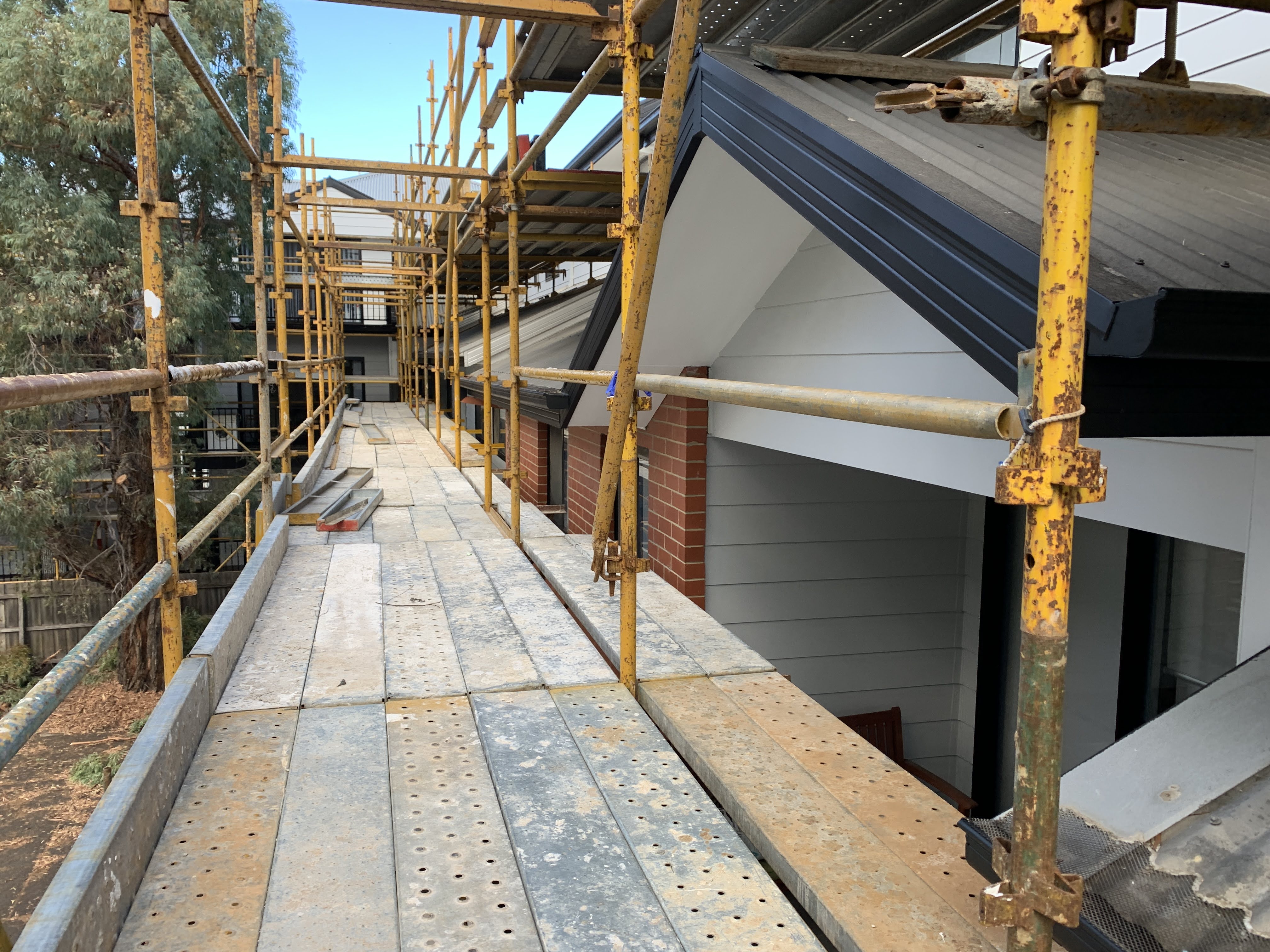
Challenges you may face
- Ageing Facades: Heritage buildings often have facades that have endured decades of exposure to the elements, if not centuries. This leads to peeling paint, cracks, and general wear and tear.
- Regulatory Restrictions: Heritage buildings are protected by strict regulations to preserve their historical significance. This means that any changes, including painting, must adhere to specific guidelines, which can be complex.
- Inadequate Previous Restoration: Many heritage buildings have had less-than-ideal restoration efforts in the past, which can make the painting process more challenging and demand adaptive reuse solutions.
- Climate Extremes: Australia's diverse climate conditions, from scorching heat to torrential rain, pose a significant threat to the integrity of paintwork, requiring adaptive reuse measures for long-term preservation.
- Limited Colour Options: Some heritage buildings must be painted in specific colours to maintain historical accuracy, limiting creative freedom and necessitating adaptive reuse strategies.
Solutions you can employ
- Thorough surface preparation: Before starting any painting project, ensure the surfaces are meticulously prepared for heritage conservation. This includes removing old paint, repairing structural issues, and sanding to create a smooth canvas for fresh paint, a crucial step in adaptive reuse.
- Consult with heritage experts: Heritage experts can guide you through the regulations and requirements for painting historic buildings. They will help you select appropriate colours and materials.
- High-quality paints: Invest in breathable paints that allow moisture to evaporate from the building. This helps prevent paint blistering and peeling.
- Weather-resistant coatings: Use weather-resistant coatings that are well-suited for Australia's climate. These coatings can protect the paintwork from UV radiation and heavy rainfall.
- Professional painters: Heritage building painting is a specialised skill. Hire experienced professionals who understand the nuances of working on historic structures.
- Periodic maintenance: Regular maintenance is vital to preserving heritage buildings. Set a schedule for touch-ups and inspections to catch and address potential problems before they become significant problems.
- Safe environmental practices: Ensure your painting project adheres to environmentally friendly practices. Avoid harmful chemicals and use low-VOC (Volatile Organic Compounds) paints to minimise ecological impact.
- Documentation: Keep detailed records of the painting process, including colour choices, materials used, and any work done. This documentation is crucial for regulatory compliance and future restoration efforts.
Colour Factors for Historical Heritage Buildings
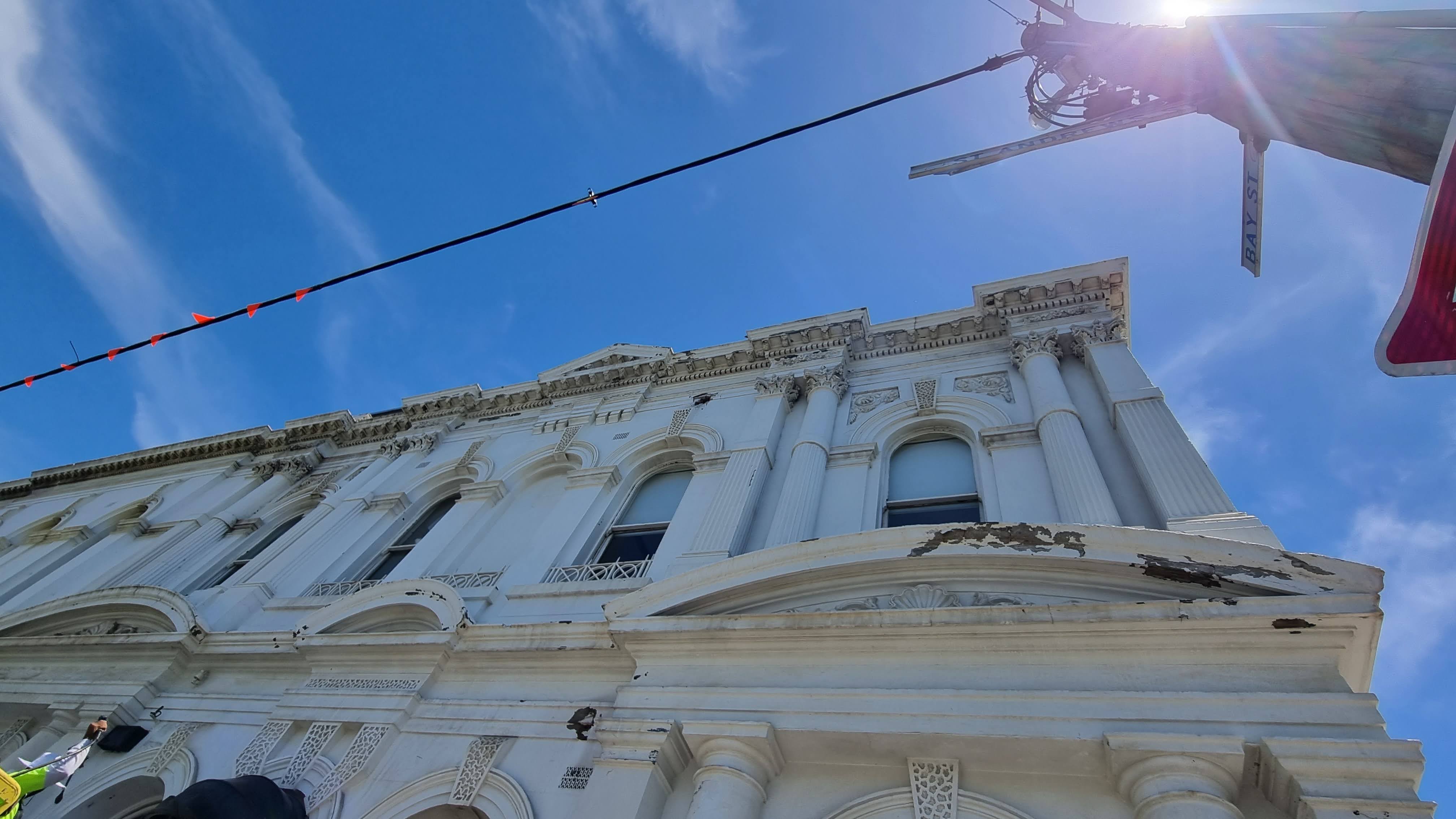
When painting heritage buildings, colour is an aesthetic choice and a historical one. You'll often need to adhere to a strict palette that maintains the building's historical accuracy. Before you begin, research the colour schemes that are historically accurate for your building.
If you're unsure, consult with heritage experts and consider the following:
- Local Architectural Styles: Different regions in Australia might have distinct architectural styles and colour preferences relevant to both heritage conservation and heritage adaptive reuse.
- Period-Specific Colours: Research the colours popular during the period when the building was constructed, crucial for maintaining historical accuracy in adaptive reuse projects.
- Heritage Colour Guides: Many organisations provide colour guides specifically for heritage buildings, which is invaluable for selecting the right hues for heritage conservation and adaptive reuse.
- Colour Testing: Before finalising the paint, consider doing colour tests on small, inconspicuous areas to ensure it matches the historical palette, an essential step in heritage conservation and adaptive reuse.
Regulatory Compliance
Working on heritage buildings in Australia comes with many regulations that must be strictly adhered to. Here are some essential steps to navigate these regulations:
- Consult local authorities: Contact local heritage authorities or councils to understand the specific rules governing your project.
- Heritage impact statements: You may need to prepare a Heritage Impact Statement that outlines your project's impact on the historical integrity of the building.
- Heritage architects: Hire heritage architects or experts who can guide you through the regulatory process and ensure your project meets all requirements.
- Permit applications: You will likely need permits to start any work on a heritage building. These permits can take time, so plan accordingly.
- Regular inspections: Expect regular inspections from heritage authorities to ensure you follow the project's regulations.
Selecting the Right Paint for Heritage Buildings
Choosing the right paint is critical when it comes to heritage building restoration. You need to consider the colour, the type of paint, and its durability.
Here are some tips:
- Breathable paints: Use breathable paint that allows moisture to escape. This is crucial for preventing peeling and blistering, especially in Australia's variable climate.
- Quality over cost: It's tempting to cut costs, but using high-quality, long-lasting paint will ultimately save you money in the long run.
- UV protection: Look for paints with UV-resistant properties. Australia's strong sun can quickly fade and damage paintwork.
- Low-VOC paints: Use low-VOC paints, which are not only environmentally friendly but also healthier for the occupants of the building.
- Consult with experts: Get advice from paint specialists experienced in heritage building restoration. They can recommend the best paint for your specific project.
Why Specialist Painters Are Essential
Heritage building painting is not a job for a generalist. The right contractor will bring:
- A thorough understanding of heritage regulations in Victoria and across Australia
- Experience selecting and applying appropriate coatings for historic substrates
- Knowledge of historically accurate colour palettes and period-specific finishes
- Safe work practices that protect structurally sensitive buildings
- Full documentation of all work for regulatory and maintenance records
Regular Maintenance and Inspection
The work doesn't end once the painting project is completed. Regular maintenance is essential to ensure the building continues to shine for years.
Here's what you should do:
- Scheduled inspections: Set up a schedule for routine inspections to catch any issues early. This includes checking for paint damage, cracks, or water ingress.
- Touch-ups: Be prepared for touch-up work, as paint naturally wears over time. This is a cost-effective way to keep the building looking its best.
- Cleaning: Regular cleaning can prevent dirt and grime from accumulating on the paint, preserving its appearance.
- Address structural issues: If you notice any structural issues during inspections, address them promptly to prevent more extensive damage to the paintwork.
- Document everything: Maintain meticulous records of all maintenance work and inspections for future reference.
Avello Group: Experienced Heritage Building Painters in Melbourne
Avello Group has worked on a number of Australia's heritage-listed buildings, delivering careful, compliant, and high-quality results that respect the history and significance of every structure we work on.
Whether your project involves preservation, restoration, or sympathetic renovation, our team has the expertise to handle it with the care it deserves.
For more information or to discuss your heritage building project, get in touch with us today.
Free Building Assessment
Ready to protect your building?
Avello Group provides specialist commercial painting and building maintenance across Melbourne, Sydney and Brisbane. Start with a free site assessment — we'll inspect your building and give you a clear scope and cost estimate.